
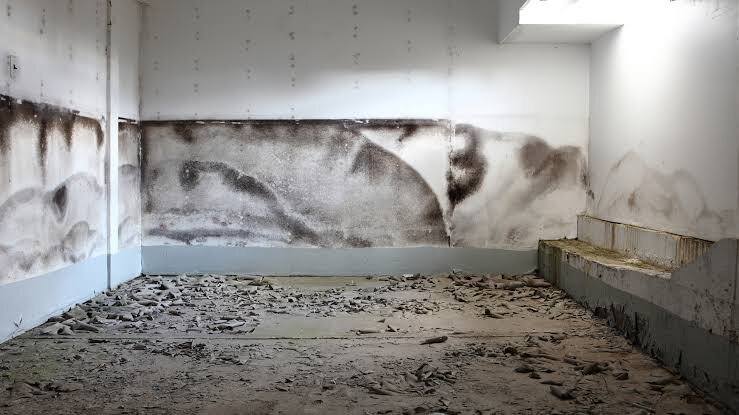
You pulled back a basement panel, opened a closet, or got the home inspector’s report, and there it was: mold. Suddenly the plan to sell feels a lot harder, and a lot of homeowners assume the house is now unsellable.
It isn’t. A house with mold can be sold in Pennsylvania, but the way you sell it matters, and so does what you tell the buyer. We talk with homeowners across Lancaster, Lititz, Ephrata, and the rest of the county who are in exactly this spot. Here’s what you actually need to know.
Want to know what your house is worth as-is? Get a no-obligation cash offer → or call (717) 715-0010.
Yes, You Can Legally Sell a House With Mold in Pennsylvania
Pennsylvania doesn’t require you to remove mold before you sell. What the law does require is honesty about it.
Under the Real Estate Seller Disclosure Law, sellers must give buyers a written Seller’s Property Disclosure Statement listing known material defects before the buyer signs the agreement of sale. Mold counts as a material defect when it affects the property’s health, safety, structure, or value. Water intrusion, past flooding, and leaks that tend to cause mold are covered too.
In plain terms: you can sell with mold, you can sell as-is, but you cannot hide it. If a buyer later proves you knew about it and didn’t disclose, Pennsylvania law lets them go after repair costs, legal fees, and in some cases more. Disclosing keeps you protected. Concealing puts you at risk long after closing.
Why Mold Is Such a Problem in Lancaster County Homes
Mold needs moisture, and plenty of homes around here are set up to have it. A lot of Lancaster County housing stock is older, with stone or block foundations, damp basements, and original plumbing. Add humid summers, heavy rain, and the occasional creek or drainage problem, and moisture finds a way in.
The most common sources we see:
- Leaking or poorly sealed basement walls and floors
- Roof leaks that went unnoticed in the attic
- Plumbing leaks behind walls or under floors
- Bathrooms and kitchens without proper ventilation
- A house that sat vacant, closed up, for months
- Past flooding or storm damage that was never fully dried out
The EPA is clear on the basic point: the way to control indoor mold is to control moisture. That’s also why removing mold without fixing the water source usually just means it comes back.
Is Mold Actually Dangerous?
Sometimes, and it depends on the person and the situation. According to the EPA, mold exposure can cause allergic reactions, asthma flare-ups, and other respiratory problems. Infants and young children, older adults, people with asthma or lung conditions, and anyone with a weakened immune system tend to be the most sensitive.
That’s one reason buyers and lenders take mold seriously. Even a small amount raises questions about how long the moisture problem has been going on and what else it may have damaged.
Not interested in dealing with remediation yourself? Call (717) 715-0010 — we buy houses with mold as-is.
How to Tell Whether You Actually Have a Mold Problem
Not every dark spot is mold, and not every musty smell means a disaster. Before you panic, look for the usual signs:
- A musty, earthy smell that gets stronger in a closed room or after rain
- Fuzzy, speckled, or slimy patches in green, black, white, or gray, often on walls, ceilings, or around windows
- Peeling paint, bubbling drywall, or warped baseboards near a damp area
- Water stains on ceilings or walls that keep coming back
- Condensation on windows or pipes that never seems to dry
- Allergy-like symptoms, such as coughing or stuffy eyes, that ease when you leave the house
If you see several of these together, assume there’s a moisture source somewhere and find it. A small patch of surface mold on a bathroom ceiling is a very different problem from mold running through a wall cavity or across a basement floor.
Should You Test for Mold Before You Sell?
It depends on what you already know. If you’ve seen mold or had a leak, you already have a “known” issue, and you’re expected to disclose it whether or not you pay for testing.
Testing can still help in two cases. First, if you want to understand the scope before deciding whether to fix it or sell as-is. Second, if you’re unsure whether a stain or smell is really mold. A qualified inspector can tell you what you’re dealing with and where the moisture is coming from.
One thing to keep in mind: once you commission a test and get results, you’ll need to disclose what you learned. That’s not a reason to avoid testing, but it’s worth knowing before you order one. If you’re planning to sell to a cash buyer as-is, you generally don’t need to test at all. We’ll evaluate the house in its current condition.
What Mold Remediation Actually Costs
Cost depends mostly on how much area is affected and whether the moisture source has to be fixed first. Typical Pennsylvania ranges look like this:
- Small areas (under 10 square feet): about $1,500
- Medium areas (10 to 100 square feet): about $4,500
- Large areas (100 to 300 square feet): about $7,500
- Overall rule of thumb: roughly $10 to $25 per square foot
Those numbers cover the mold cleanup itself. They usually don’t include fixing the leak, replacing drywall, flooring, or insulation that has to come out, or any structural repair if the moisture has been there a long time. It’s also common to pay for professional testing first, which adds to the total before any work starts.
So a “small mold problem” can quietly turn into a five-figure project once the full scope is clear.
Why Mold Complicates a Traditional Sale
Even when a buyer is willing to look past mold, the financing often can’t:
- Appraisers flag it. FHA and VA loans don’t automatically require a mold inspection, but appraisers are required to note visible mold or signs of active moisture. Those loans have minimum property standards that don’t allow conditions that threaten health and safety.
- The deal can stall at appraisal. When an appraiser flags mold on a financed purchase, the loan generally can’t close until the issue is resolved. Conventional lenders often react the same way.
- Inspections give buyers leverage. A home inspector who finds mold will usually recommend a specialist, and that report often reopens price negotiations or gives the buyer a reason to walk away.
- The buyer pool shrinks. Many buyers, especially first-timers using FHA financing, simply move on rather than take on a mold issue.
None of that makes the house worthless. It does mean a traditional listing can drag on, fall through, or end with a large price cut.
What Happens When a Buyer’s Inspector Finds Mold
This is where a lot of sellers get caught off guard. You list the house, accept an offer, and then the buyer’s inspection turns up mold you didn’t know about or didn’t think was serious.
From there, a few things tend to happen. The buyer’s agent asks for a specialist to evaluate it. That report comes back with a repair estimate. Then the buyer asks you to fix it, give a credit, or lower the price, and if you say no, they can usually walk away under their inspection contingency.
Even when you do agree to a fix, you’re now working on someone else’s clock. The buyer’s loan has a closing deadline, remediation has to be finished and often re-inspected, and any delay can push the closing past what the lender allows. Many sellers in this position end up relisting and starting over, now with a documented mold history that has to be disclosed to every new buyer.
That’s the real cost of mold in a traditional sale. It’s rarely just the cleanup bill. It’s the lost time, the renegotiation, and the deals that fall apart in the final weeks.
Your Options If Your House Has Mold
Remediate, then sell. If the problem is limited and you have the money and time, professional remediation plus fixing the moisture source can open your house back up to financed buyers. Keep the paperwork, since you’ll still disclose the history.
List as-is and disclose. You can price the house with the mold factored in and target buyers or investors comfortable with the work. Expect a longer time on market and tougher negotiation.
Sell directly to a cash buyer, as-is. This skips testing, remediation, appraisal problems, and financing risk. You still disclose what you know, and the buyer prices the condition into the offer.
Why Many Homeowners Choose to Sell As-Is
For a lot of sellers, the question is simple: do I want to spend thousands on testing and cleanup, wait weeks on a financed buyer, and risk the deal collapsing over an appraisal, or do I want a clean, certain exit?
We buy houses across Lancaster County exactly as they are, mold and moisture damage included. No testing to arrange, no remediation to pay for, no commissions, and no financing contingencies. We can typically close in as little as 7 to 14 days. There’s no obligation to accept an offer, and it costs nothing to find out what your house is worth to us.
Common Situations We See With Mold in Lancaster County
Across Lancaster, Lititz, Columbia, Mount Joy, Willow Street, and the surrounding townships, mold usually comes up in a few familiar situations:
- An inherited house that sat empty for months before anyone could deal with it
- A rental property where a tenant never reported a slow leak
- A basement that has always been damp and finally got worse
- A home with a past roof or plumbing leak that was patched but never fully dried out
- A seller whose buyer’s inspection turned up mold and the deal fell apart
If one of those sounds like you, you’re not alone, and it’s very fixable from a selling standpoint.
One more thing worth saying: mold is rarely a reflection of how well you kept the house. Older construction, wet seasons, and hidden leaks catch careful owners all the time. What matters now is the next step, not how it got there.
Frequently Asked Questions
Do I have to remove mold before selling my house in Pennsylvania? No. Pennsylvania doesn’t require remediation before a sale. You do have to disclose known mold and water problems in writing before the buyer signs.
Do I have to disclose mold if I’m selling as-is? Yes. Selling as-is means the buyer accepts the condition, but it doesn’t remove your legal duty to disclose what you know.
Will mold stop a buyer from getting a mortgage? Often, yes. Appraisers flag visible mold and signs of active moisture, and financing generally can’t move forward until the problem is resolved.
How much does mold remediation cost in Pennsylvania? Roughly $1,500 for a small area, $4,500 for a medium area, and $7,500 or more for a large one, or about $10 to $25 per square foot. Fixing the water source and replacing damaged materials is usually extra.
Will a cash buyer really purchase a house with mold? Yes. Mold and water damage are common reasons homeowners choose a direct cash sale, since it avoids remediation, appraisal problems, and financing risk.
Bottom Line
Mold makes a traditional sale harder, but it doesn’t make your house unsellable. Pennsylvania law asks for honesty, not a full remediation. You can clean it up and list, price it down and disclose, or sell as-is to a buyer who isn’t depending on a bank to close.
If your house in Lancaster County has mold and you’re not sure where to start, we’re happy to talk it through. No pressure, no obligation.
Get Your Free, No-Obligation Cash Offer → Or call (717) 715-0010. We’ll respond within 24 hours